
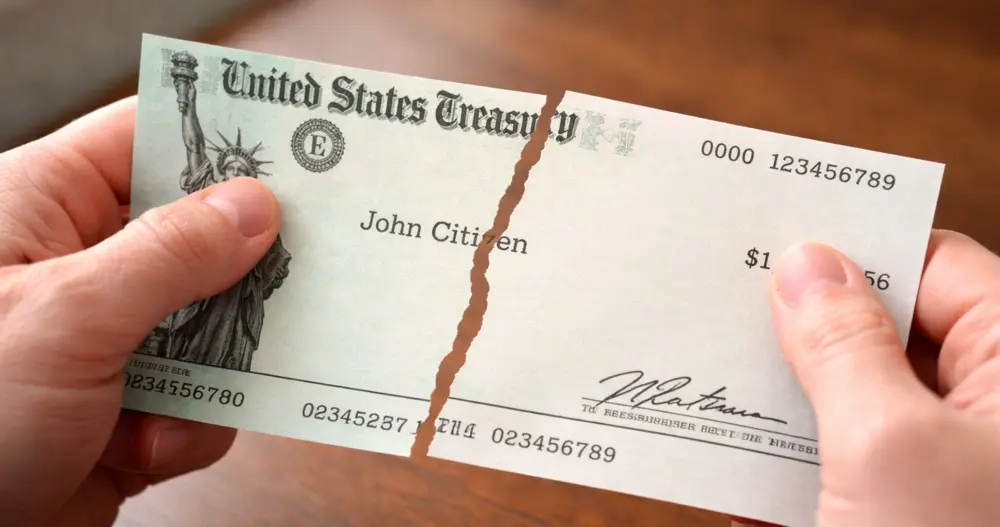
Both the IRS and the California Franchise Tax Board (FTB) are moving away from paper checks and traditional mail-in payments. Some of these changes are already in effect. Others are phasing in over the coming months. As your accounting firm, we want to make sure you understand what has changed, what is coming, and what steps to take so your refunds arrive on time and your payments are made correctly.
Why Is This Changing?
On March 25, 2025, an Executive Order directed the U.S. Treasury to modernize how the federal government sends and receives money. The goals are straightforward: reduce fraud, cut costs, prevent payments from being lost or stolen in the mail, and speed up processing times.
Paper checks are significantly more vulnerable to loss, theft, and delay than electronic transfers. By moving to direct deposit and other electronic methods, both the IRS and the FTB aim to make the process faster and more secure for everyone.
The bottom line: Paper checks for tax refunds are being phased out at the federal level. Electronic payments to the IRS and the FTB are now strongly encouraged and, in certain cases, required.
How Federal Tax Refunds Are Being Delivered
Paper Refund Checks Are Being Phased Out
The IRS stopped issuing paper refund checks to individual taxpayers after September 30, 2025. In most cases, refunds will now be delivered by direct deposit to your bank account. A small number of exceptions remain for specific legal or hardship situations.
What If You Do Not Have a Bank Account?
You do not need a traditional bank account to receive your refund electronically. The IRS is making alternative options available, including direct deposit to certain prepaid debit cards and mobile payment apps. Resources for opening a free or low-cost bank account are available at FDIC.gov/getbanked and MyCreditUnion.gov.
What Happens If You Do Not Provide Banking Information
You are not required to provide direct deposit information, but skipping it will slow down your refund. Here is what happens if banking information is missing when you file:
- Your return will still be accepted and processed normally.
- The IRS will mail a letter to your last known address requesting your banking details.
- You will receive a CP53E notice asking you to respond within 30 days, either by providing your banking information or explaining why you cannot.
- You can update your banking details through the IRS Individual Online Account at IRS.gov.
- If there is no response to the notice after six weeks and there are no other issues with your return, the IRS will release your refund as a paper check.
Important: The IRS will never call or text you to request banking information. All outreach on this matter comes through official U.S. mail only. Be cautious of any phone calls or text messages claiming to be from the IRS asking for your bank details.
Will This Delay My Refund?
In most cases, no. Electronic delivery is faster than a paper check. If you provide your direct deposit information when you file, you should receive your refund more quickly than before.
How to Pay the IRS Going Forward
Checks and Money Orders Are Still Accepted — For Now
The IRS is currently still accepting mailed checks and money orders. However, this is expected to change over time as electronic options expand. The IRS is strongly encouraging everyone to switch to electronic payment methods now rather than waiting.
Electronic Payment Options Available Today
The following options are available for most individuals and businesses:
Pay directly from your bank account at no charge. Available at IRS.gov. No registration required.
Create an account at IRS.gov to make payments, view your balance, and access your payment history.
Pay by card through IRS-authorized service providers. Processing fees may apply depending on the provider.
The Electronic Federal Tax Payment System remains available for business tax deposits and payroll tax payments.
A Note on EFTPS for Individual Taxpayers
If you have been using EFTPS as an individual, please be aware that new individual enrollments were stopped on October 17, 2025. Existing enrollments can still be used, but all individuals will need to transition to IRS Direct Pay or an IRS Online Account later in 2026. We will keep you updated as that deadline approaches.
For businesses: Federal Tax Deposits (payroll and other FTDs) must already be made electronically. Paying these by check or cash can result in penalties.
California's Mandatory Electronic Payment Rules
California has its own mandatory electronic payment requirements that apply at specific income and payment thresholds. If you cross either of the thresholds below, you are required by law to make your California tax payments electronically.
Note that fiduciaries, estates, and trusts are currently exempt from California's mandatory e-pay rules.
California Electronic Payment Options
If you are required to pay electronically, the FTB offers the following options:
- Web Pay (Bank Account) — Pay directly from a bank account through the FTB website at FTB.ca.gov.
- Electronic Funds Withdrawal (EFW) — Authorize a payment directly on your e-filed return.
- Credit Card — Pay by credit card through FTB-authorized providers.
- Pay by Phone — Available for individuals; visit FTB.ca.gov for details.
What Is the Penalty for Not Complying?
If you are required to pay electronically and fail to do so, the FTB will assess a mandatory e-pay penalty. This is separate from any late payment or underpayment penalties that may also apply.
Can You Request a Waiver?
Yes. If complying with the electronic payment requirement creates a genuine hardship, you can submit a formal waiver request to the FTB using Form 4107. The request must include documentation and can be submitted by fax to 916-843-0468 or by mail to the Franchise Tax Board in Sacramento.
Not sure if you meet the threshold? If your California estimated payments or total tax liability have ever approached these amounts, contact us and we will confirm whether the mandatory e-pay rules apply to your situation.
What You Should Do Now
Most of our clients will not need to take any dramatic action, but a few simple steps will ensure you are well-positioned as these changes continue to roll out.
- Make sure your current bank account information is on file with us so we can include your direct deposit details when we prepare and file your return.
- If you do not have a bank account, let us know. We can help you identify alternative electronic options such as prepaid debit cards.
- If you currently make federal payments through EFTPS as an individual, begin familiarizing yourself with IRS Direct Pay or the IRS Online Account at IRS.gov, as EFTPS for individuals will be fully retired later in 2026.
- If you are a California taxpayer who makes estimated payments or carries a significant California tax liability, confirm with us whether the FTB mandatory e-pay threshold applies to you.
- If you receive any mail from the IRS requesting banking information, do not ignore it. Respond within the 30-day window or contact our office and we will assist you.
Have Questions?
Tax rules like these can feel complicated, but navigating them on your behalf is exactly what we are here for. Whether you are unsure about a payment threshold, need to update your banking information, or received a notice from the IRS, do not hesitate to reach out.
You can contact our office by phone at (310) 450-8875 or by email at admin@wheelerbicpa.com. We are happy to review your specific situation and make sure you are in full compliance going forward.